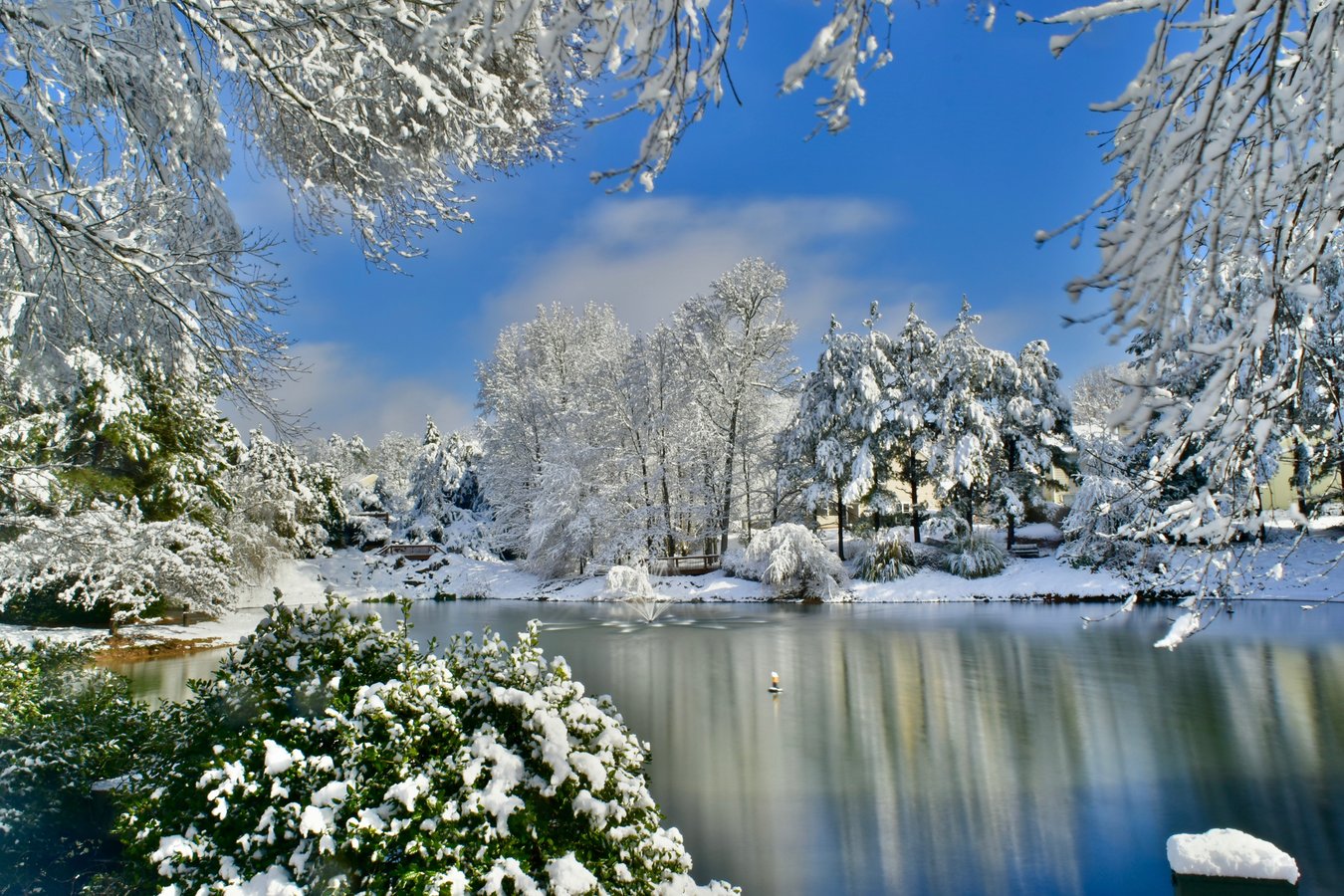
When colder weather sets in, your pond’s needs change. Proper winter pond management is essential to protect water quality, preserve fish health, and ensure your pond is ready to thrive in the spring. From vegetation control to aeration adjustments, following a seasonal checklist helps you stay ahead of problems and extend the life of your pond.
Here’s a guide to the most important winter pond maintenance tasks to complete this season.
- Cattail Cutting and Removal
Cattails and other emergent plants often die back in late fall, creating mats of decaying vegetation. Cutting and removing cattails before winter prevents excess organic matter from sinking to the pond bottom, where it contributes to muck buildup and nutrient overload. Regular removal keeps shorelines neat and reduces springtime algae blooms, an important step in long-term aquatic weed control.
- Diffuser Placement for Winter Aeration
If you use a diffused aeration system, it’s important to adjust diffuser placement before ice forms. In the summer, diffusers are positioned at the deepest part of the pond for maximum circulation. In the winter, however, they should be moved to shallower water. This prevents supercooling of the entire water column, which can stress or harm fish. Shallow placement also helps maintain open water areas for gas exchange, reducing the risk of winter fish kills. Proper winter pond aeration is critical to maintaining a healthy ecosystem.
- Fall Fish Stocking
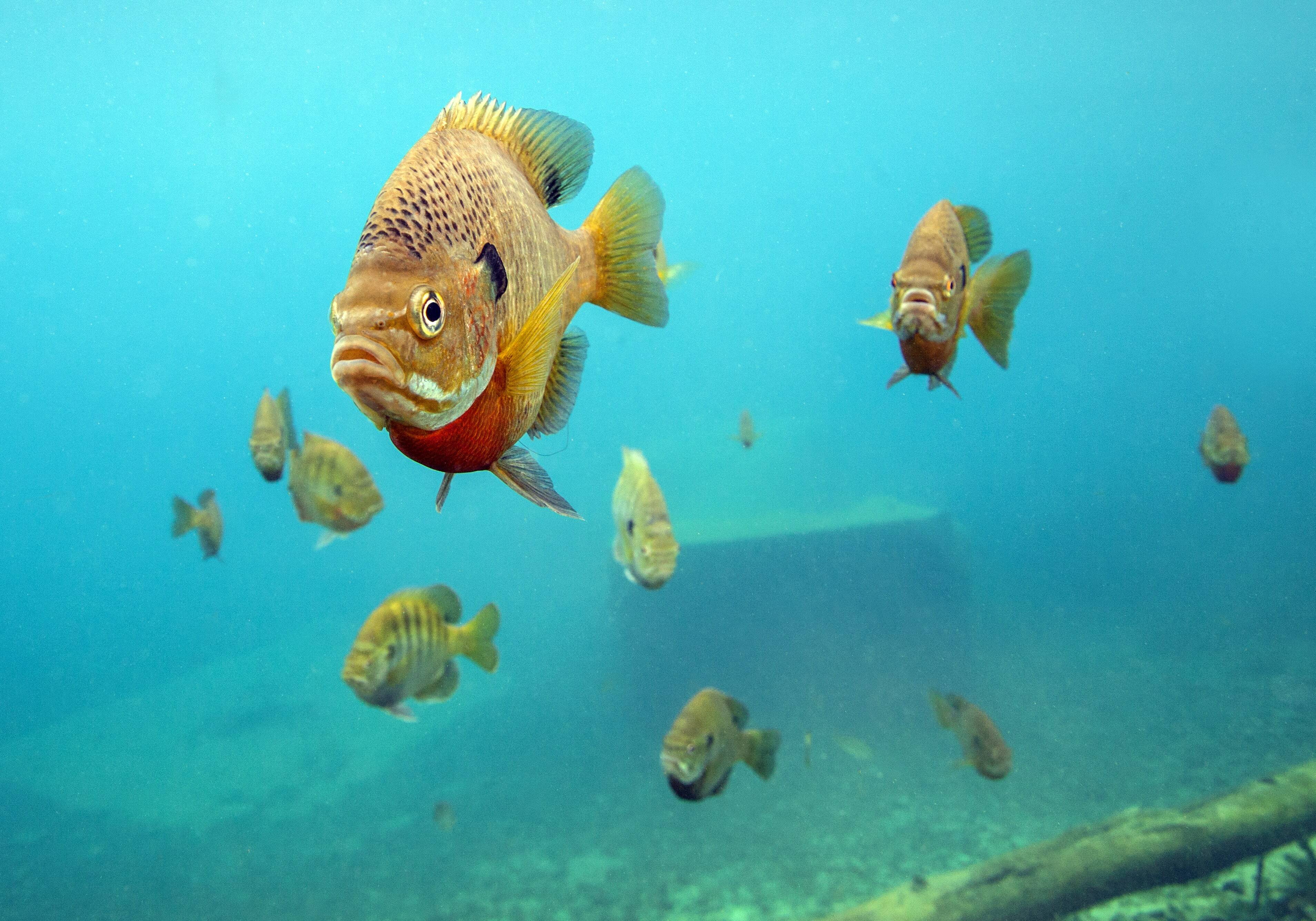
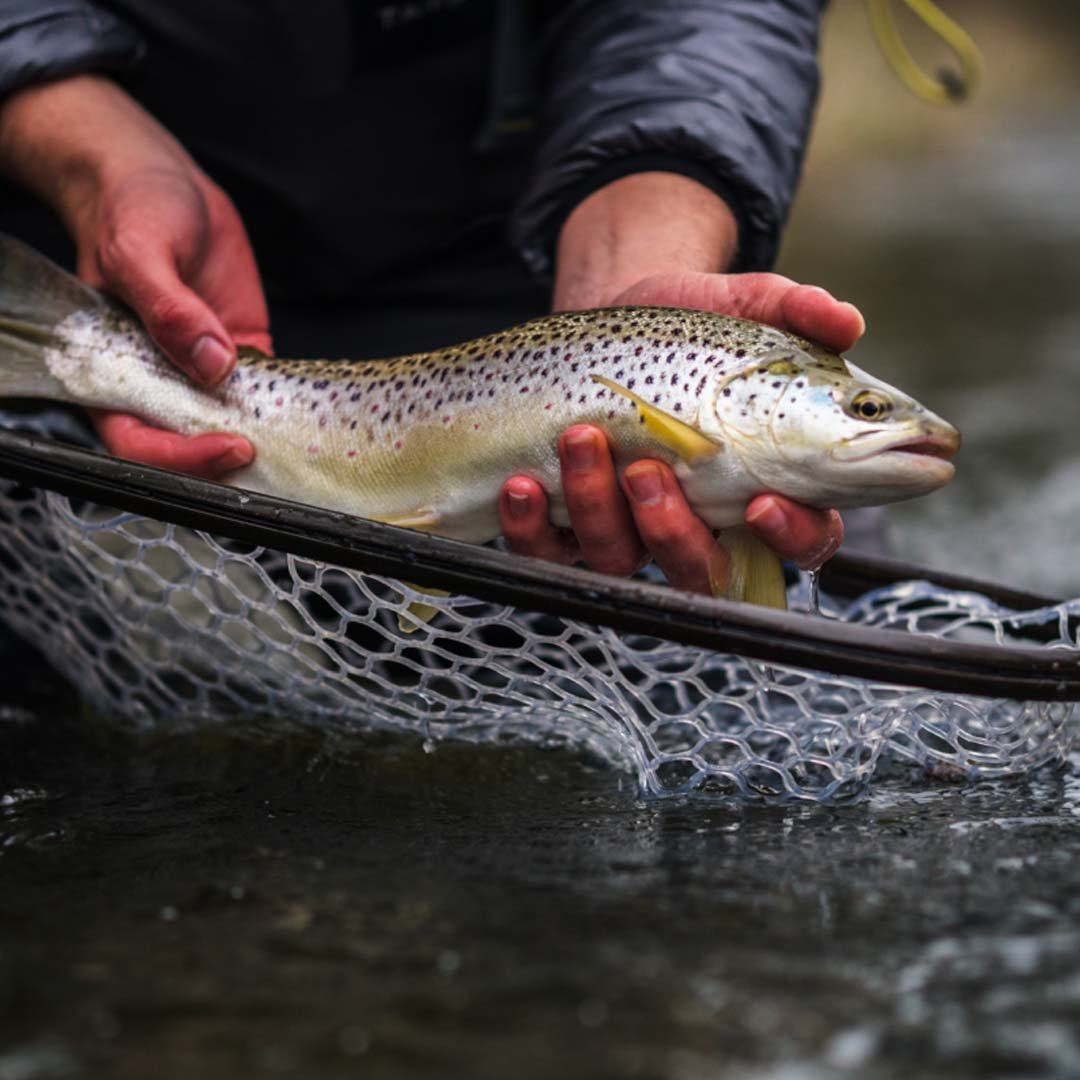
Winter is also a good time to consider fall forage stocking. Adding minnows and other forage fish strengthens your pond’s food chain, ensuring predator fish have adequate nutrition through the colder months. Many pond owners also choose to stock cool-water species such as trout, which thrive in cooler conditions and support a balanced pond fishery. Planning pond fish stocking in fall sets your pond up for success the following year.
- Targeted Hydraulic Dredging
Winter offers an opportunity for targeted hydraulic dredging, especially when vegetation and algae growth are minimal. Removing sediment in problem areas improves water depth, reduces nutrient load, and helps prevent algae outbreaks in the spring. Targeted pond dredging can also restore shoreline access and extend the overall lifespan of your pond.
- Fountain Winterization or Diffuser Support
Floating fountains add beauty and oxygenation during the warmer months, but in many climates they should be removed for winter to prevent damage from freezing. This is also the perfect time for fountain winterization: clean debris, inspect hoses and cords, and perform pump oil and seal servicing every three years. In milder climates, some pond owners choose to leave their fountains in place by positioning a diffuser beneath them. The rising bubbles help keep the water open and protect the fountain from ice buildup. Always confirm with your fountain manufacturer before leaving equipment in the water over winter.
- Nutrient Management with Bacteria and Phosphorus Binding
Winter is a key time to manage nutrients that fuel spring algae blooms. Adding beneficial bacteria and microbes helps break down organic matter and improve water clarity. In nutrient-rich ponds, products that bind phosphorus can also be applied to reduce algae’s primary food source. Taking these nutrient management steps in the off-season gives your pond a healthier start in the spring.
Final Thoughts
A thoughtful winter pond maintenance checklist protects your investment and prevents costly problems down the road. From cattail removal and diffuser adjustments to dredging, stocking, and nutrient control, these seasonal steps support both the beauty and balance of your pond. With a little planning, your water will emerge from winter healthier, cleaner, and ready for the year ahead.
About Jones Lake Management
Since 1949, Jones Lake Management has been a trusted leader in lake and pond management, delivering scientifically backed solutions to create and maintain healthy, balanced, and beautiful waterbodies. Our expert team offers a full range of services, including fish stocking, fisheries management, water quality monitoring, algae and aquatic weed control, aeration solutions, hydraulic dredging, erosion control, invasive species management, hydraulic dredging, and more. Whether you manage a private lake, an HOA stormwater pond, a golf course water feature, or a municipal waterway, we provide customized solutions to ensure your waterbody remains healthy, functional, and thriving.
Discover our trusted lake and pond management partners nationwide, bringing expertise and care to communities across the country. From Aqua Services in the Southeast, to Water and Wetland in New England, Savin Lake Services in Michigan, Wisconsin Lake and Pond Resource in Wisconsin, and Clear Water in Texas, each partner delivers premier service tailored to their region.