

.jpeg?width=1200&length=1200&name=Image%20(1).jpeg)
Request a Free Estimate
We don't just manage your pond or lake; we transform it into a beautiful, thriving ecosystem. It's what we love to do.
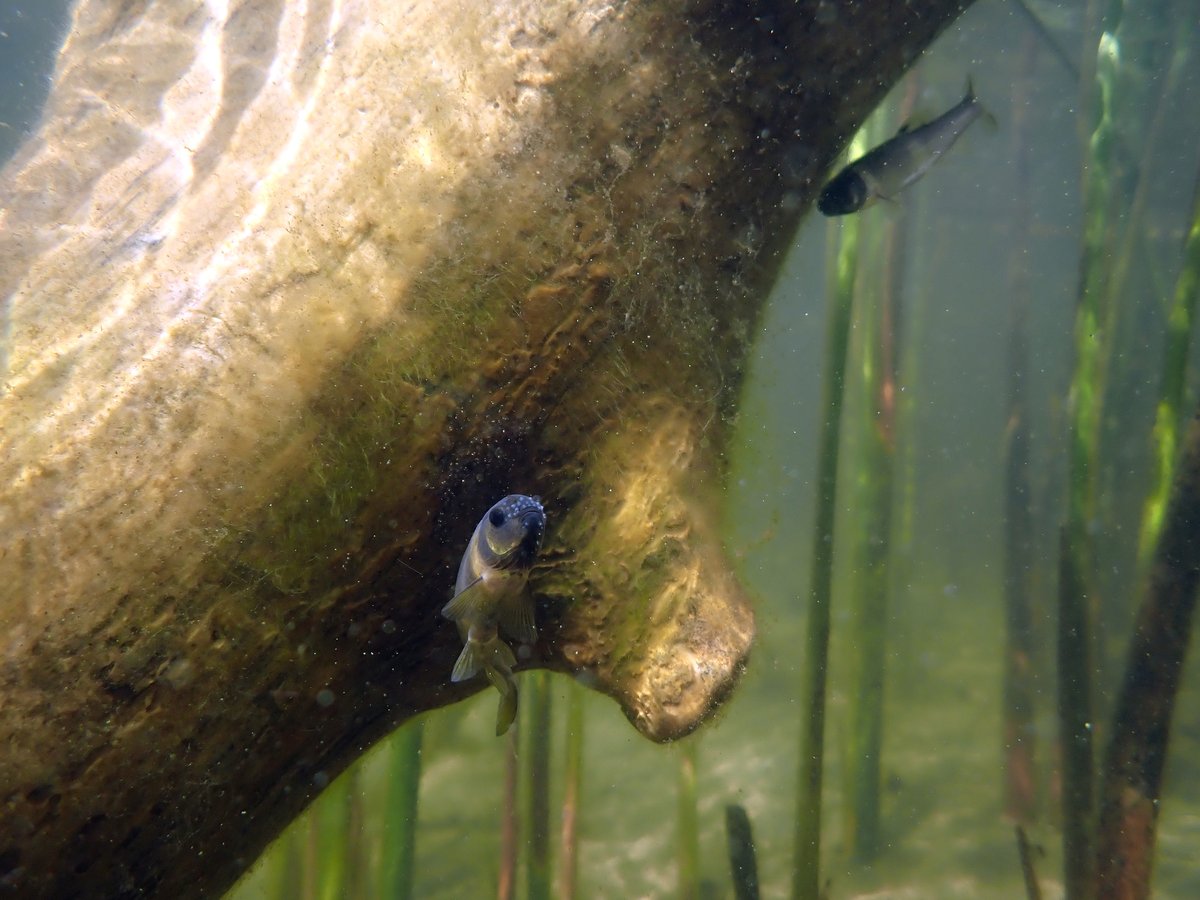
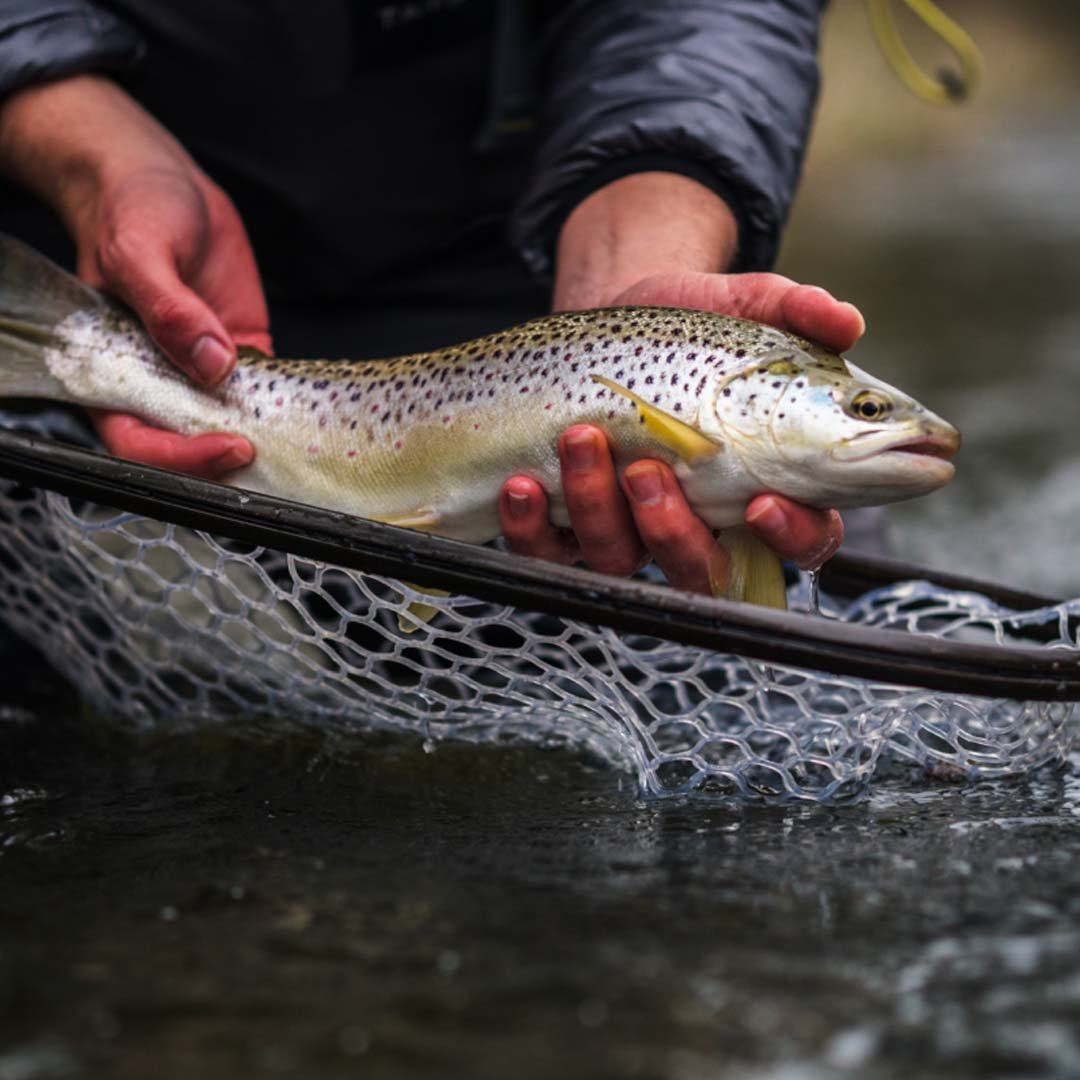
Fathead minnows are a cornerstone species for healthy pond ecosystems. Whether used as forage fish for larger species or as a natural part of balanced aquatic food webs, understanding their reproduction is key to maintaining a thriving pond. Fathead minnows are prolific breeders, but their success depends on proper habitat and management practices.
Reproduction in fathead minnows typically occurs in late spring through early fall. These fish are fractional spawners. Instead of releasing all their eggs at once, females will spawn several times during the year, producing a smaller number of eggs each time. This extended spawning period improves survival rates by ensuring that even if one batch of fry is heavily predated, others can still successfully hatch and survive.
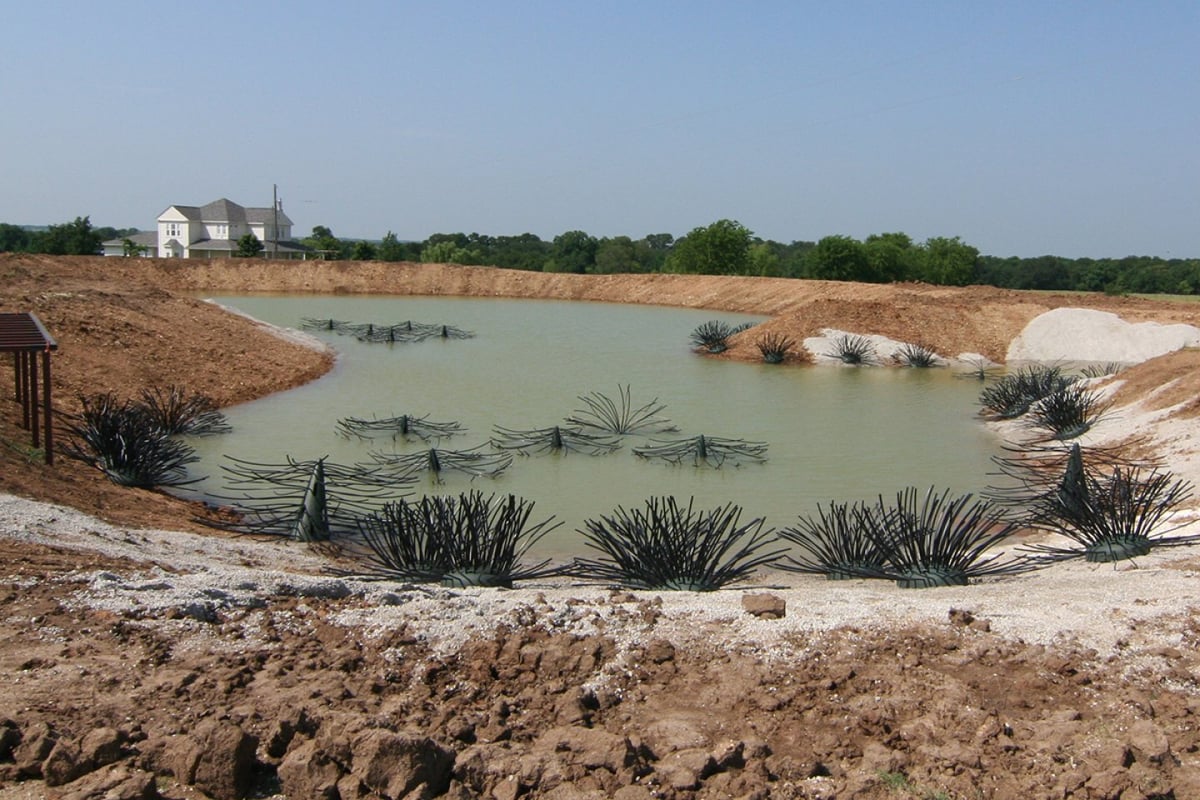
Male fathead minnows play a central role in reproduction. They prepare nesting sites in shallow areas with cover, often under logs, rocks, brush piles, or artificial structures like Ugly Trees, Hidey Hole trees, and shrubs. Females lay adhesive eggs that must adhere to the underside of the structure to remain in the nesting area. The males clean and defend the nesting area, courting females to lay eggs within the protected space. After egg-laying, males continue guarding the eggs until they hatch, usually within five to seven days. This attentive care increases the survival rate of fry, contributing to a robust forage base in the pond.
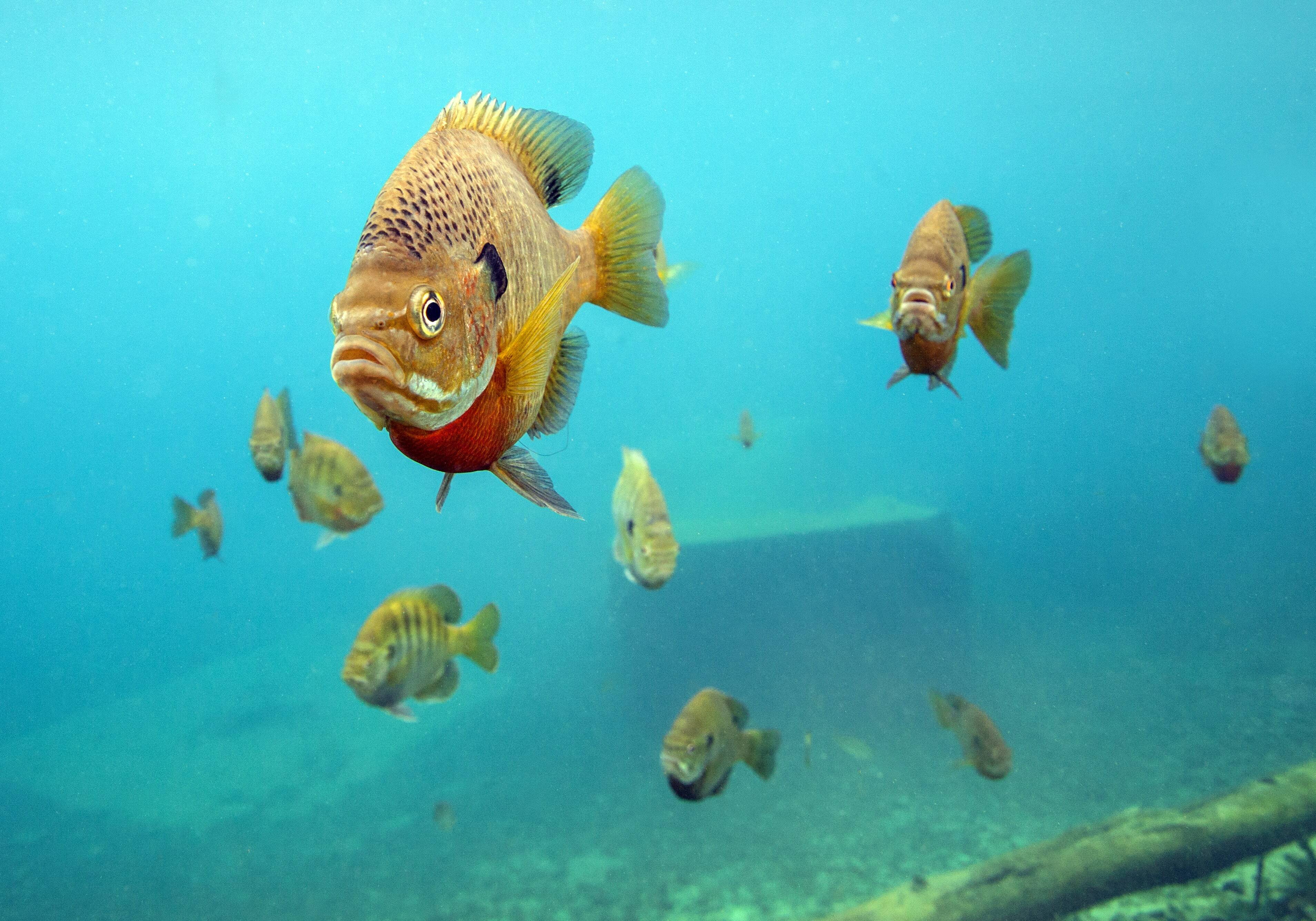
Structure can be placed at any time, including immediately after pond construction or when the pond reaches full pool. Structure should be placed at varying depths to support fish throughout the year. Shallow water structure doesn’t just play a key role for fathead minnows and other forage fish. Juvenile gamefish of all species seek shelter in this area, as well. The good news is that the holidays are a perfect time to help improve spawning habitat.
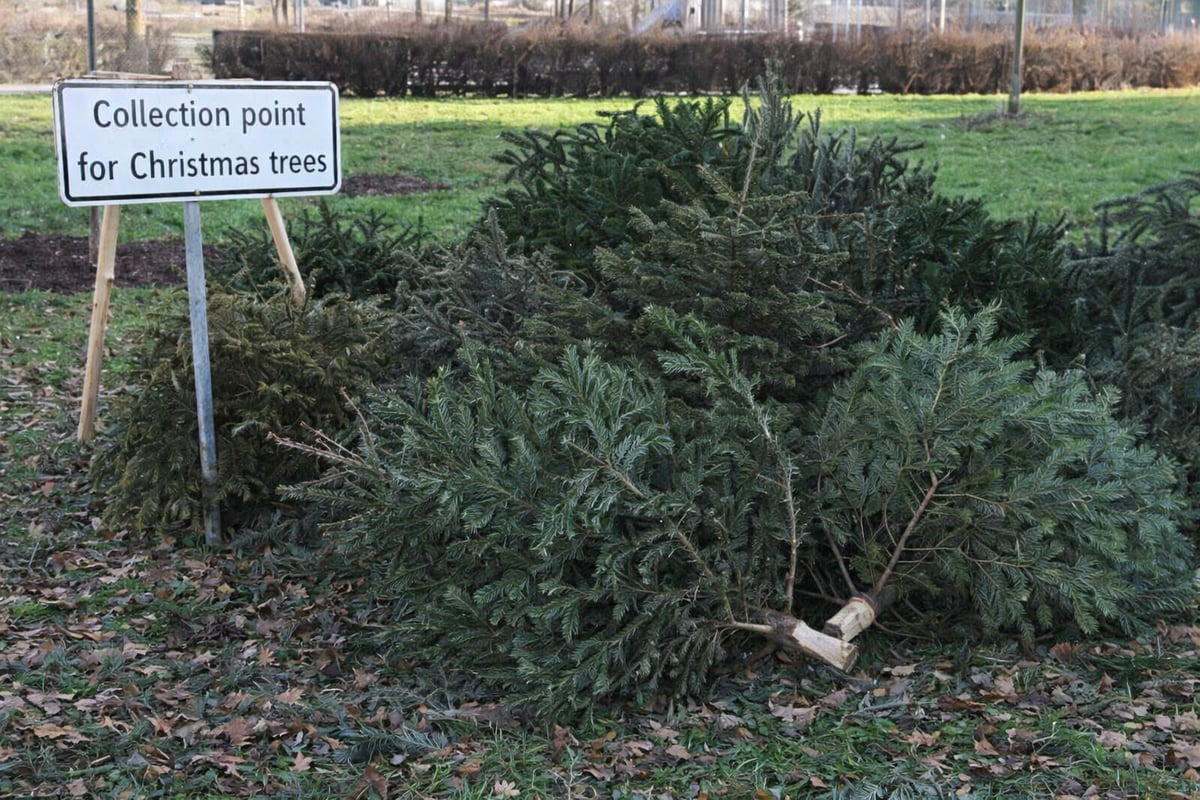
Discarded Christmas trees are an excellent, low-cost solution for providing shelter and spawning surfaces. The trees mimic natural cover, providing male fathead minnows with a place to attract females and protect their eggs. When placed in shallow water, Christmas trees provide multiple surfaces for egg attachment, becoming a long-lasting habitat that supports a variety of aquatic organisms. Over time, they not only increase reproductive success but also enhance habitat complexity, attract invertebrates and microorganisms, and contribute to improved water quality and overall pond health.
If you’re planning to repurpose Christmas trees as fish habitat, the good news is that placement is simple. If your pond still has open water, you can easily weight the trees using concrete blocks, bricks, or cinder chunks and gently lower them into position. Fathead minnows love structure close to shore, so don’t be afraid to place them where they’ll be most useful. If your pond is frozen over, the job is even easier. Just drag the trees out onto the ice and position them where you want future habitat to develop. As the ice melts in spring, the trees will sink right into place on their own, nature’s version of hands-free installation.
While natural reproduction and proper structure are essential, supplemental forage fish stocking must remain part of your long-term management plan. Water quality, temperature, and adequate spawning structure all influence reproductive success. Even with ideal conditions, many forage fish and their offspring will be consumed by predators each season. Regularly restocking forage species two to three times per year ensures your food web remains balanced and your predators continue to grow at a healthy rate.
By understanding the intricacies of fathead minnow reproduction and providing the right habitat, pond owners and managers can boost forage populations and support bigger fish. And remember, sometimes the best pond improvements don’t require big investments. In fact, one of the most effective tools may already be sitting in your living room. So, before you haul that Christmas tree to the curb, consider giving it a second life in the pond. Recycling never looked so festive.
About Jones Lake Management
Since 1949, Jones Lake Management has been a trusted leader in lake and pond management, delivering scientifically backed solutions to create and maintain healthy, balanced, and beautiful waterbodies. Our expert team offers a full range of services, including fish stocking, fisheries management, water quality monitoring, algae and aquatic weed control, aeration solutions, erosion control, invasive species management, hydraulic dredging, and more. Whether you manage a private lake, an HOA stormwater pond, a golf course water feature, or a municipal waterway, we provide customized solutions to ensure your waterbody remains healthy, functional, and thriving.
Discover our trusted lake and pond management partners nationwide, bringing expertise and care to communities across the country. From Aqua Services in the Southeast, to Water and Wetland in New England, Savin Lake Services in Michigan, Wisconsin Lake and Pond Resource in Wisconsin, and Clear Water in Texas, each partner delivers premier service tailored to their region.
We can handle any issues you are having with aquatic vegetation. Check out these services for more information, or contact us for a free quote.