





Request a Free Estimate
We don't just manage your pond or lake; we transform it into a beautiful, thriving ecosystem. It's what we love to do.
As spring arrives, lake and pond owners have a key opportunity to manage aquatic invasive species (AIS) before the prime growing season this summer. Invasive plants, upland vegetation, and aquatic animals can spread aggressively, disrupt ecosystems, and create costly spring maintenance challenges. Early detection and management this spring can set the foundation for a successful 2026 maintenance season.
Invasive Aquatic Plants
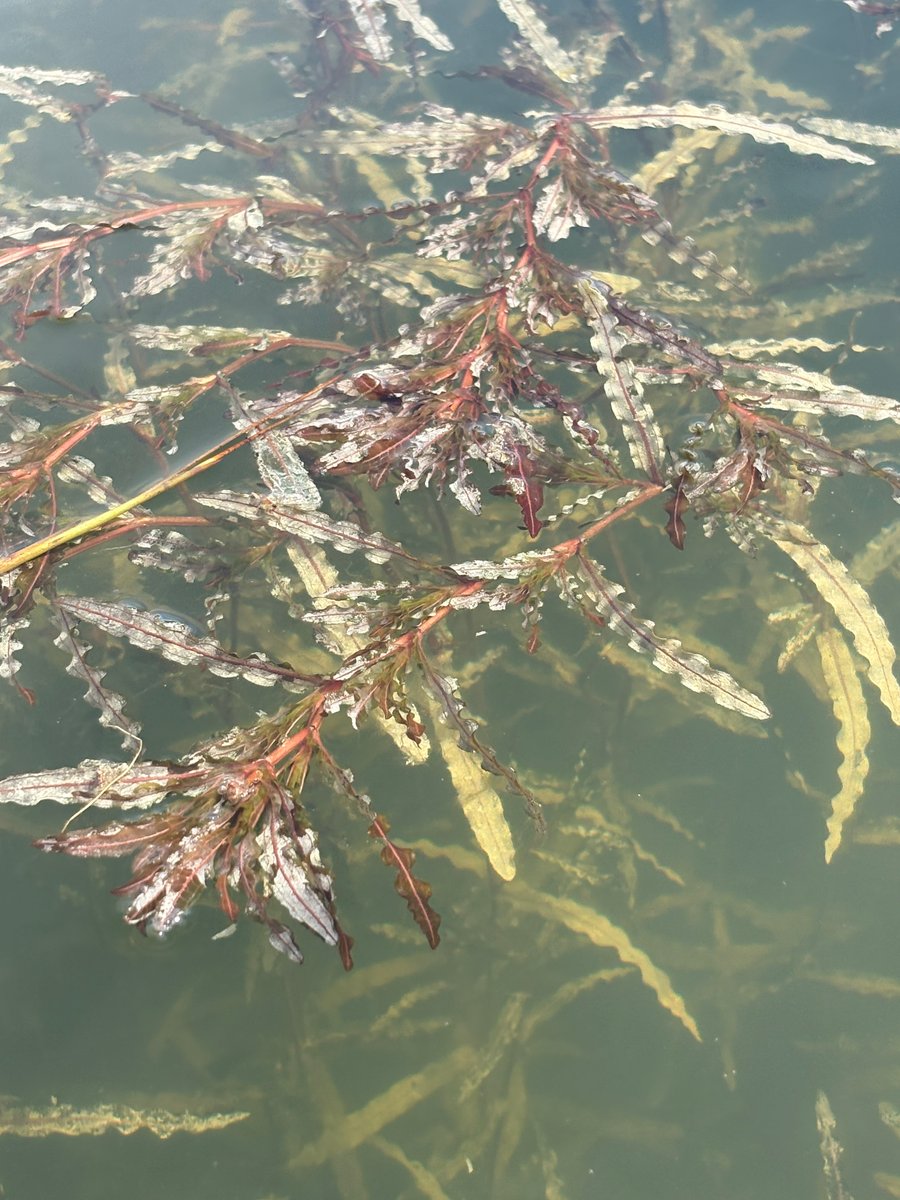
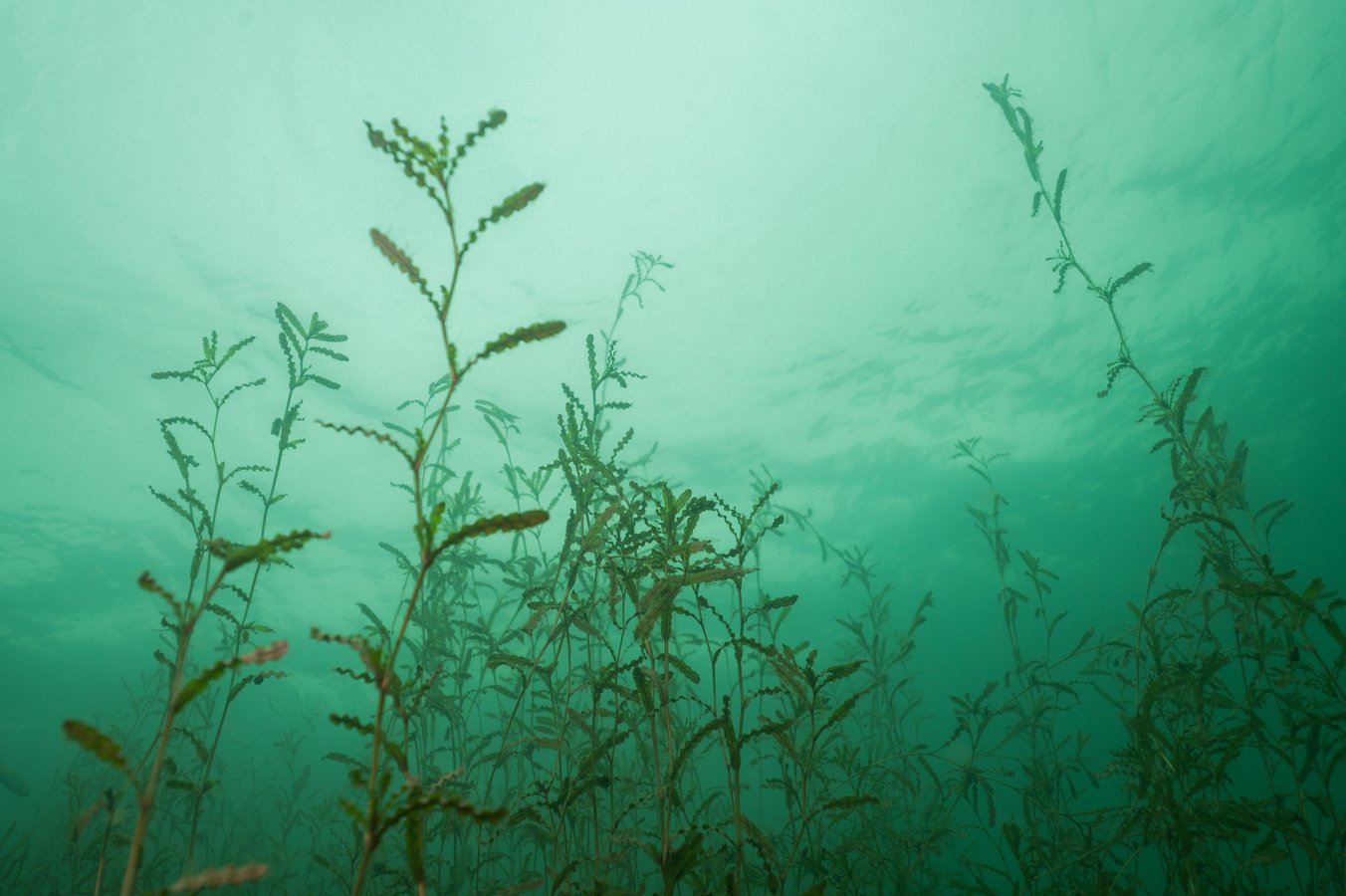
Aquatic plants such as Eurasian watermilfoil, curly-leaf pondweed, and hydrilla can form dense underwater or floating mats that crowd out native vegetation. These plants often store energy in roots or rhizomes in the fall, allowing them to survive the winter and return stronger in the spring. Other examples, including starry stonewort, Brazilian elodea, and parrotfeather, also grow rapidly and obstruct water flow, making boating and fishing difficult while degrading habitat for native species.
Monitoring invasive aquatic plants in spring and summer is crucial. Look for:
Targeted early-season treatments, mechanical removal, or approved biological controls can reduce overgrowth complications and limit summer return.
Invasive Upland Plants
Shoreline and wetland vegetation can also behave invasively. Phragmites (common reed) spreads aggressively along shorelines, forming dense stands that outcompete native plants and reduce wildlife habitat. Similarly, common and hybrid cattails can dominate shallow areas, altering natural water flow and biodiversity. If left unmanaged, these species can quickly overtake ponds and lakes, degrading water quality, restricting open water areas, and complicating access for recreation or maintenance.
While late summer and fall are typically the most effective times to remove dead established stands of phragmites and cattails, spring is an important window for early management. As these plants begin to regrow, targeted treatment can help suppress aggressive growth, limit their spread, and reduce the risk of shoreline takeover later in the summer. Early-season action also helps prepare dense stands for more effective removal later in the year.
Invasive Aquatic Animals
Invasive animals like zebra mussels, quagga mussels, and apple snails present unique challenges. Zebra and quagga mussels filter water excessively, outcompeting native species and damaging infrastructure such as docks and pumps. Apple snails consume large amounts of vegetation and deposit visible egg clusters above the waterline, which can spread quickly if unchecked.
Regular monitoring enables early detection of these invaders, helping property owners plan for mechanical removal, containment, or approved treatments before summer. Preventing establishment now reduces costly interventions in the future.
Planning for 2026 Maintenance
Developing a proactive maintenance plan is essential. At Jones Lake Management, we encourage clients to evaluate areas where invasives were identified last year, schedule early spring and late summer treatments, and plan nutrient management or aeration upgrades. By addressing invasive aquatic plants, upland species, and aquatic animals this spring, lake and pond owners can protect water quality, reduce costly summer interventions, and maintain a balanced ecosystem year-round.
Spring management of aquatic invasives isn’t just about control; it’s about preparation. By monitoring, identifying, and addressing problem species now, you’ll set the stage for a healthier, thriving lake or pond in 2026.
About Jones Lake Management
Since 1949, Jones Lake Management has been a trusted leader in lake and pond management, delivering scientifically backed solutions to create and maintain healthy, balanced, and beautiful waterbodies. Our expert team offers a full range of services, including fish stocking, fisheries management, water quality monitoring, algae and aquatic weed control, aeration solutions, erosion control, invasive species management, hydraulic dredging, and more. Whether you manage a private lake, an HOA stormwater pond, a golf course water feature, or a municipal waterway, we provide customized solutions to ensure your waterbody remains healthy, functional, and thriving.
Discover our trusted lake and pond management partners nationwide—bringing expertise and care to communities across the country. From Aqua Services and Pond Lake Management in the Southeast, to Water and Wetland in New England, Savin Lake Services in Michigan, Wisconsin Lake and Pond Resource in Wisconsin, Aquatics Associates in Colorado, and Clear Water, Johnson Lake Management and Aquatic Features in Texas, each partner delivers premier service tailored to their region. Visit us at www.joneslakemanagement.com
Resources: Michigan Invasive Species and Jones Lake Management Aquatic Weed ID Guide
We can handle any issues you are having with aquatic vegetation. Check out these services for more information, or contact us for a free quote.